Issue 02
Klemens Schillinger
Interview with product and furniture designer Klemens Schillinger: About essence and intent in design
KLEMENS SCHILLINGER
product and furniture designer
Royal College of Art London
based in Vienna
Vicky Grinsted
Design, Interview
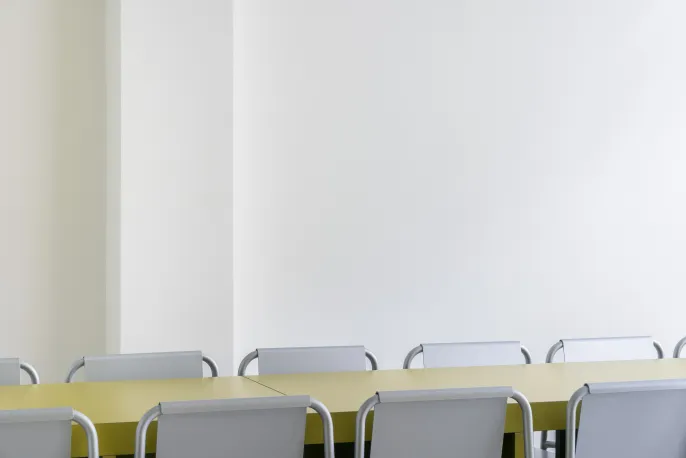
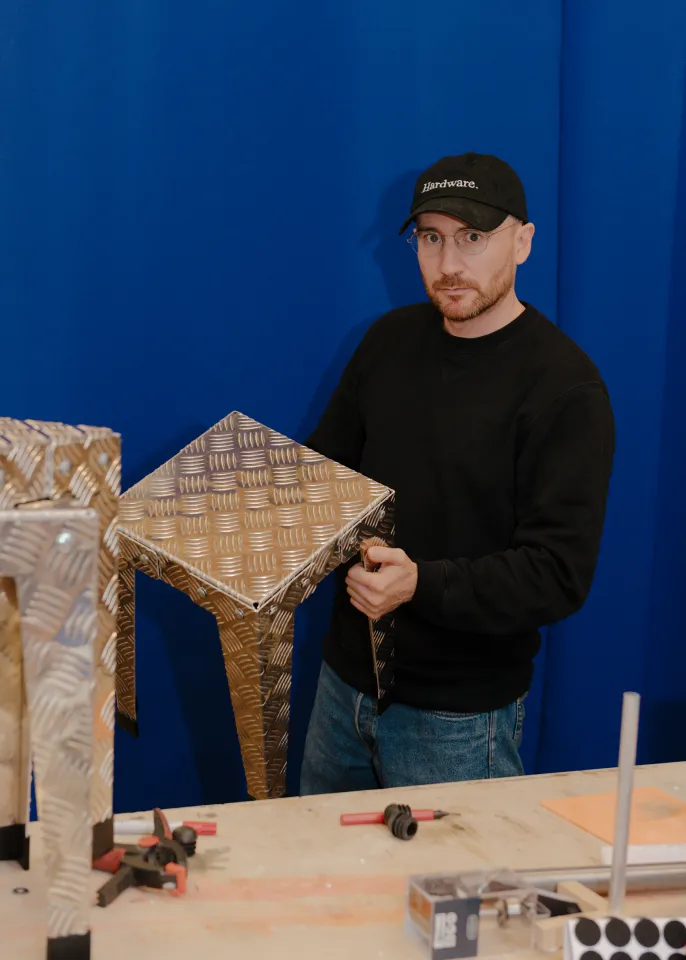
Klemens Schillinger is a product and furniture designer based in Vienna. Since graduating from the Royal College of Art, he has worked as a freelance designer for various studios while developing his own projects. His designs are minimal, precise, and thoughtfully made. His New Address (Chair) O1 now has a place in our space and reflects everything we value in a well-designed piece of furniture. We sat down with him to talk about the ideas and processes behind his work.
When you start designing, does it begin with an idea, a material, or a function?
It really depends. Sometimes a design grows directly out of a specific material. An interesting material can immediately trigger an idea. In other cases, the concept comes first, and I then search for the right material to realize it. Sometimes it all starts with a theme.
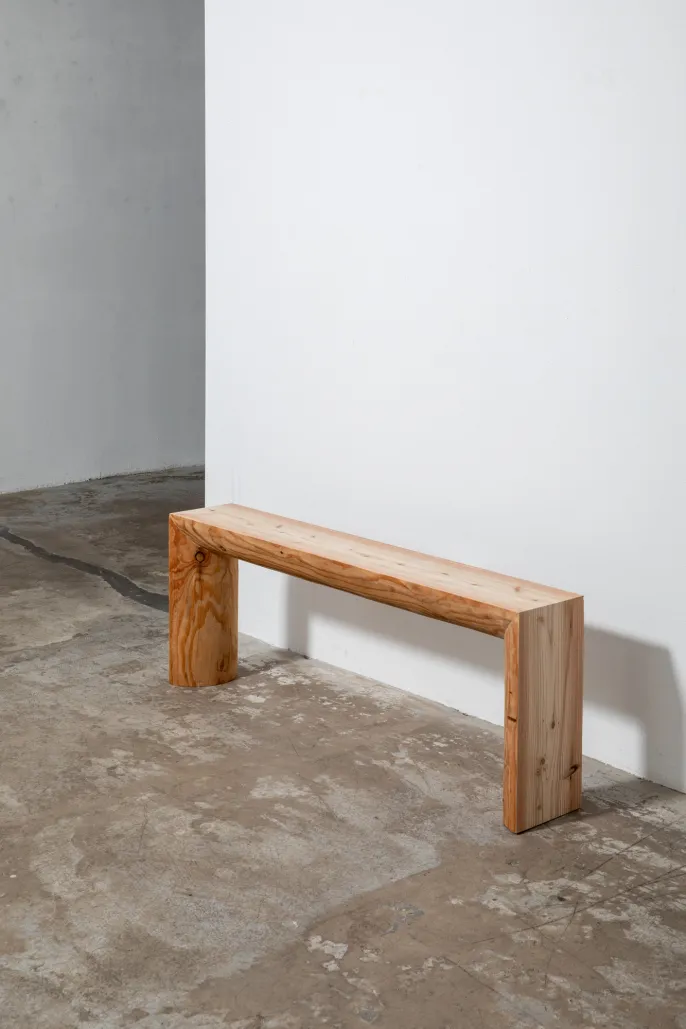
One example is the Half Tree Bench, which was created for an exhibition titled Garden. For that project, I researched wooden dowels — the kind often used for garden fences or playground structures. I came across half-round dowels, and that discovery became the starting point for the Half Tree Bench.
Your work has been described as representing “a culture of thoughtful restraint”. What remains when you remove everything nonessential?
For me, it’s mainly about ensuring that a product or project has a clear statement, that it’s understandable and communicates something specific. That clarity can be functional or conceptual.
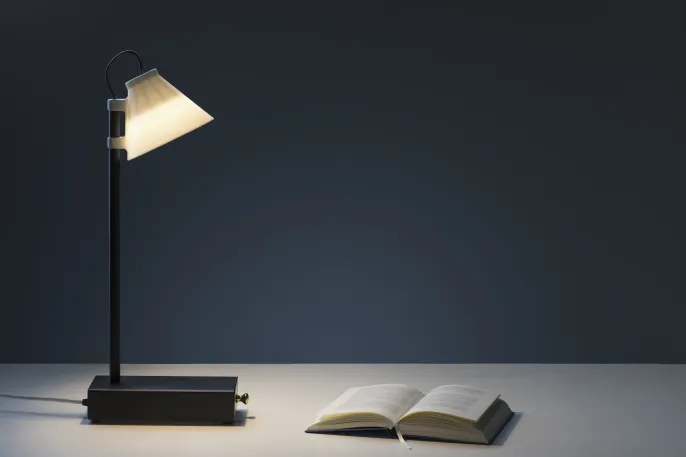
The Offline Lamp is a good example. It was created for an exhibition called "Offline – Design for the Real World". To turn on the light, you place your phone inside a small compartment and close it. The lamp only switches on once the phone is out of sight. The idea is simple: out of sight, out of mind. It invites you to consciously put your phone away and take a digital break. As a small reward, you get light, perhaps to read a book in peace.
"For me, it’s mainly about ensuring that a product or project has a clear statement, that it’s understandable and communicates something specific."
How do you deal with overload of thoughts, things, or impressions? Are minimalism and focus important themes in your private life as well?
I wouldn’t call myself a minimalist. On the contrary, I’m rather a bit chaotic. It might sound cliché, but that creative chaos is often where my ideas are born. Many things emerge intuitively in those moments. But I also need distance from the chaos, like going for a walk, to clear my mind and filter out what’s essential. For me, it’s less about strict minimalism and more about creating clarity: recognizing what should stay and what can go.
What does the “poetic accent” in your work mean to you?
Pure reduction can easily become trivial. If something is only minimalist, it often lacks tension. For me, the poetic accent emerges where clarity and emotion meet. It’s the narrative layer of my work, sometimes very quiet and subtle, sometimes more pronounced. That poetic element adds a second layer to the object, something you can’t immediately grasp but can feel. It’s what gives an object depth and a certain warmth.
When we were researching chairs for our space, we almost failed to meet our expectations: lightweight, stackable, affordable, functional, simple, but perfectly designed. What were your own requirements for the New Address (Chair) O1?
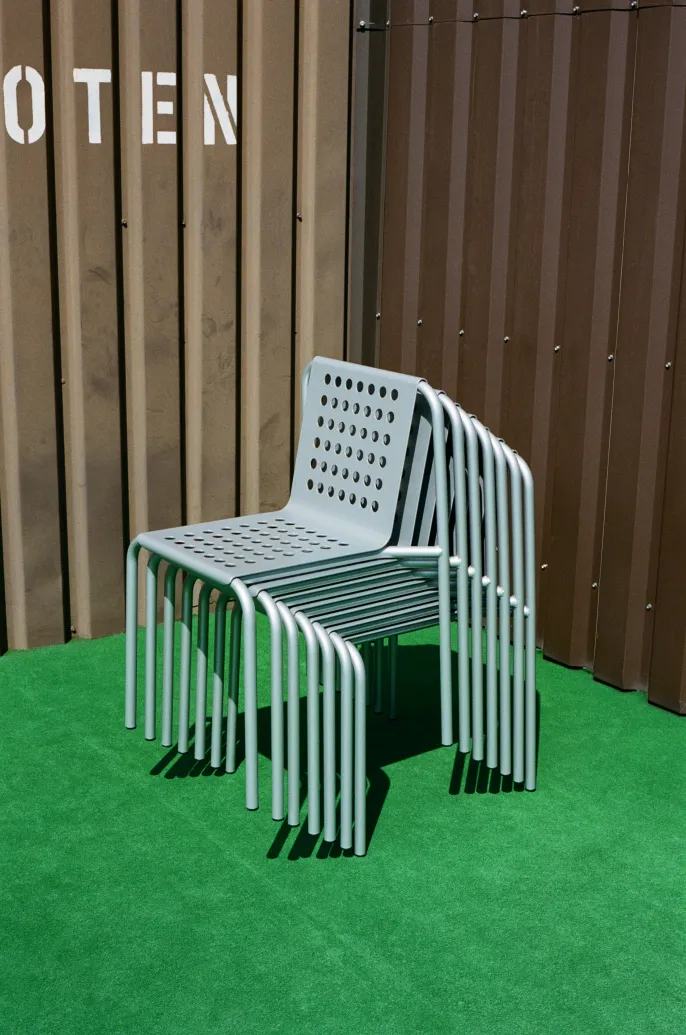
In essence, very similar ones. The chair had to be lightweight, stackable, and cost-efficient. It was also important to me that it be made from a single material and produced by a manufacturer I could directly engage with. I want to understand the production process, know the people behind it, and avoid unnecessary suppliers.
Also, the chair should look good not only from the front but from the back as well. Often, you see chairs in combination with tables, and the rear view is what stays visible in the room.
"I like when objects have a presence in a space without demanding attention. They should support the atmosphere, not dominate it."
How do you see the relationship between space, people, and (your) objects? What role should your pieces take in the places they’re used?
I like when objects have a presence in a space without demanding attention. They should support the atmosphere, not dominate it. At the same time, I appreciate when they don’t go completely unnoticed, when you realize, maybe only at second glance, that something is particularly well thought out or subtly different. I think good objects accompany you quietly but lastingly.
Where would you most like to see your work?
Ideally in places where it’s actually used. I’m happiest when my objects become part of everyday life: in cafés, public buildings, or places like yours, where people come together. For me, that’s the best kind of confirmation: when something is used and holds up in daily life.
More info: www.klemensschillinger.com